


A bonded warehouse is a designated customs-controlled storage facility that allows for the deferral of import duties and taxes on goods. This strategic asset offers businesses significant advantages in managing their supply chains and optimizing cash flow. By storing imported goods within a bonded warehouse, companies can delay customs payments until the products are released for domestic consumption, sold, or exported. This flexibility enables businesses to mitigate risks associated with market fluctuations and optimize inventory levels. Bonded warehouses also serve as platforms for various supply chain activities.
Goods can be consolidated, repackaged, or relabeled within the warehouse without incurring additional customs duties or taxes. This value-added capability enhances operational efficiency and allows for customization to meet specific customer requirements. Moreover, bonded warehouses facilitate export operations by enabling direct shipment of goods to foreign destinations without the burden of domestic taxes.
When goods arrive at a port or airport, they are typically transported to a bonded warehouse for storage. Importers can then choose to:
More:
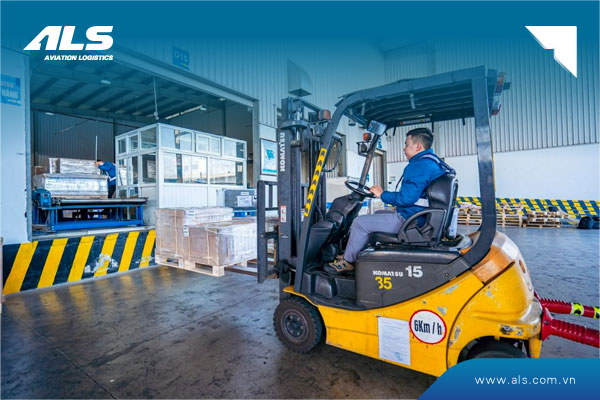
Warehouse logistics is a crucial part of any supply chain. When products are not being on the move, they are stored in warehouses. There are multiple in warehouse being stored,...
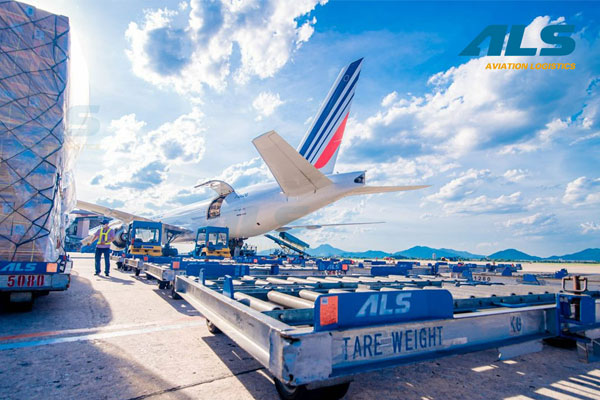
Aviation cargo handling is a highly regulated process demanding precise coordination among multiple logistics companies. However, this complex network is vulnerable to errors...

The cross-border transport time between Vietnam and Cambodia is approximately 2-3 days, which is a significant advantage for customers.

Cross-border transport services between Vietnam, Laos, and Thailand have been introduced to provide excellent customer experiences. Detailed information about this transport...

Cross-Border Transport Services between Vietnam and China: A Stable Solution with Faster Transit Times (Much Faster than Sea Transport) and Reasonable Costs (Much Cheaper...
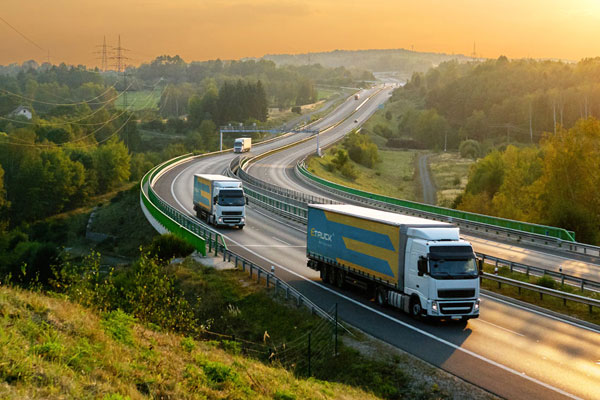
LU88 and ETruck have strategically partnered to develop cross-border road freight services. thereby expanding cross-border freight capabilities from Vietnam to China, Laos,...
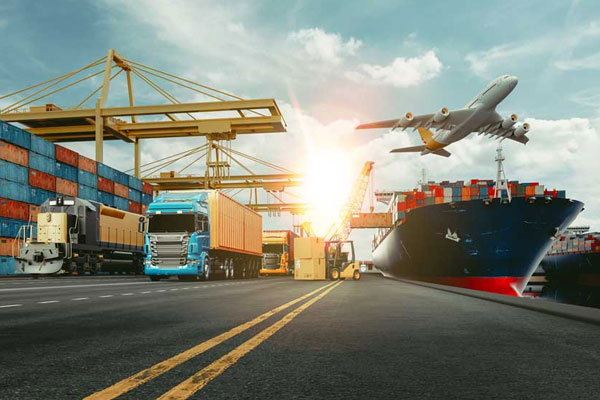
The foundation of the top 10 respectable logistics firms for 2023 is made up of impartial, scientific criteria. Three key factors are used to assess and rank companies

Cross-border transportation refers to the international transportation of goods using road, air, or sea routes.
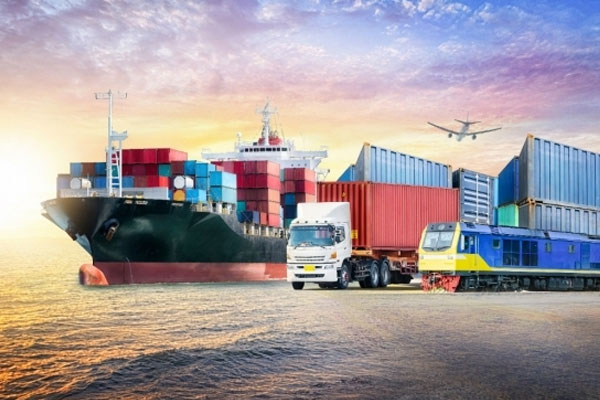
Large import-export businesses worldwide often utilize multimodal transportation due to its numerous advantages and significant benefits. So, what is multimodal transportation?

 LU88
LU88